

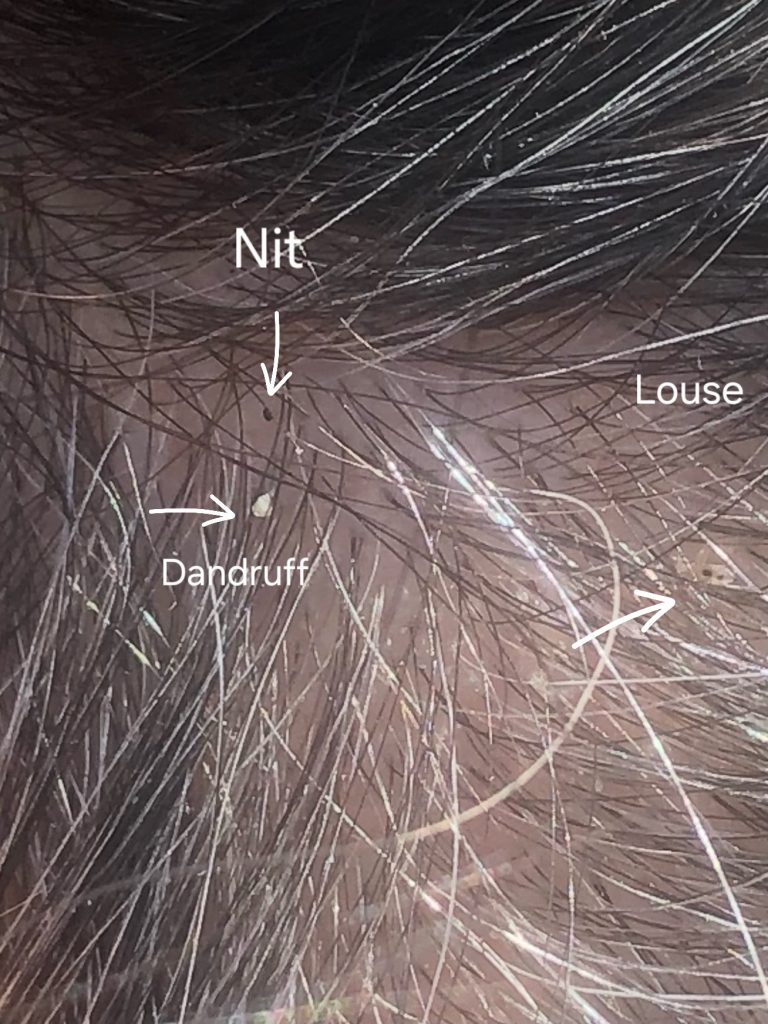
Yes, you can have head lice without itching. Itching is not caused by the lice themselves — it is caused by an allergic reaction to lice saliva. Many children, especially during a first infestation, do not react immediately or at all. This means lice can be present for days or even weeks before any symptoms appear.
Why Do Lice Cause Itching?
Head lice feed on small amounts of blood from the scalp several times per day. During feeding, they inject saliva into the skin. In people who are sensitive to that saliva, the immune system reacts — causing itching, inflammation, and irritation.
The key point: itching is an immune response, not a direct effect of lice movement.
- Lice crawling does not cause itching
- Lice saliva triggers an allergic reaction
- No allergic reaction = little or no itching
How Long Does It Take for Itching to Start?
For many first-time infestations, itching can take 2 to 6 weeks to develop. During that time:
- Eggs (nits) are hatching
- Nymphs are maturing
- Adult lice are feeding and laying more eggs
- The infestation is expanding — silently
By the time itching begins, lice may already be well established.
Why Some Children Never Itch
Not every child develops sensitivity to lice saliva. In fact, some individuals may experience:
- No itching at all
- Very mild irritation
- Occasional scalp awareness but no scratching
This is especially common:
- During a first infestation
- In younger children
- In individuals with lower inflammatory response
Because itching is inconsistent, it is not a reliable diagnostic tool.
What Are the Early Signs of Lice Without Itching?
If there is no scratching, parents must rely on visual detection.
- Nits glued within 1/4 inch of the scalp (tan, golden, or brown teardrop shapes)
- Small moving insects (sesame seed size, gray-white or brown)
- Complaints of a tickling sensation
- Increased restlessness at night (lice are more active after dark)
- A known exposure from school or camp
For a full breakdown of early detection, see Does My Child Have Lice? Early Signs Parents Miss.
Is Itching Required to Diagnose Lice?
No. A lice diagnosis is based on one thing only:
Finding live lice or viable eggs (nits).
Symptoms are secondary. Many confirmed infestations are discovered during routine head checks when no itching has been reported.
Why Waiting for Itching Is Risky
Lice spread primarily through direct head-to-head contact. If a child has lice without symptoms:
- They may unknowingly spread lice to siblings or classmates
- Eggs continue hatching every 7–10 days
- Adult females lay up to 6–10 eggs per day
- The infestation multiplies exponentially
Learn more about transmission here: How Fast Do Head Lice Spread?.
How to Properly Check for Lice
Because symptoms are unreliable, regular scalp checks are essential during outbreaks.
- Use bright, direct lighting.
- Divide hair into small sections.
- Focus on hot spots: behind ears, nape of neck, crown.
- Look within 1/4 inch of the scalp.
- Use a high-quality metal lice comb.
To differentiate lice from flakes, read: How to Tell If It’s Lice or Dandruff.
When to Call a Professional
Consider professional evaluation if:
- You find live lice
- You see multiple viable nits close to the scalp
- You have treated but still see movement after 72 hours
- The infestation keeps returning
- You feel overwhelmed or unsure
Professional lice removal services focus on complete manual removal of both lice and nits — the only way to reliably break the life cycle.
Key Takeaway
You can have lice without itching.
Itching depends on allergic sensitivity — not infestation size. The absence of scratching does not mean the absence of lice. Routine checks during school outbreaks and after exposure are the most reliable way to catch lice early and prevent spread.
Published: February 16, 2026

Still battling head lice?
Finished the article and still looking for answers? DIY treatments often fail. Our certified technicians provide guaranteed results in the comfort of your home.
Get Lice-Free Today


